Herb-Crusted Salmon with Sweet Potato Mash
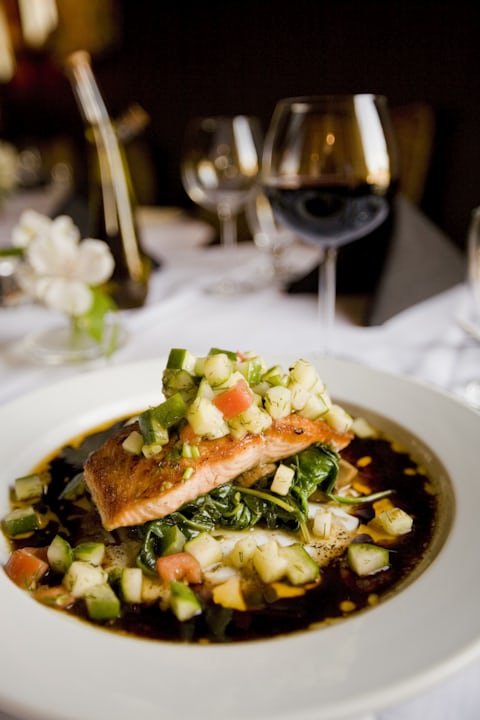
Salmon is a rich source of omega-3 fatty acids (EPA and DHA), which are associated with cardiovascular and cognitive health according to published research. Pairing it with sweet potato provides complex carbohydrates, dietary fibre and beta-carotene.
Ingredients (Serves 4)
- 4 salmon fillets (approximately 150 g each)
- 600 g sweet potato, peeled and cubed
- 2 tablespoons fresh dill, finely chopped
- 1 tablespoon wholegrain mustard
- 2 tablespoons extra-virgin olive oil
- 200 g broccolini, trimmed
- 1 lemon, zested and juiced
- Salt and pepper to taste
Method
- Preheat oven to 190 °C. Boil sweet potato in salted water for 12–15 minutes until tender. Drain and mash with 1 tablespoon olive oil. Season to taste.
- Mix dill, mustard, lemon zest and remaining olive oil. Spread evenly over salmon fillets.
- Place salmon on a lined baking tray. Bake for 14–16 minutes until the flesh flakes easily.
- Meanwhile, steam broccolini for 3–4 minutes until bright green and tender-crisp.
- Serve salmon on sweet potato mash with broccolini. Drizzle with lemon juice.
Approximate nutrition per serve: Energy 1,680 kJ (401 kcal) · Protein 36 g · Carbohydrates 28 g · Fat 16 g · Fibre 5 g · Omega-3: ~1.8 g
Lentil and Roasted Vegetable Curry
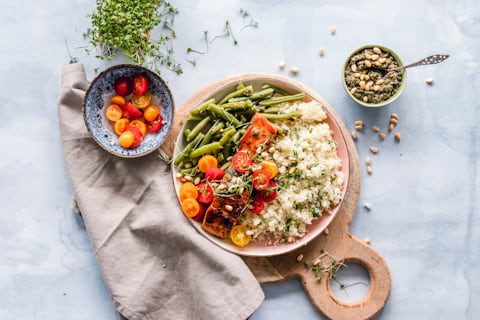
Lentils are among the most nutrient-dense legumes, providing plant-based protein, iron, folate and substantial dietary fibre. This curry uses warming spices with established anti-inflammatory properties documented in nutritional research.
Ingredients (Serves 4)
- 1½ cups red lentils, rinsed
- 1 can (400 ml) coconut milk (light)
- 1 can (400 g) diced tomatoes
- 1 large eggplant, cubed
- 2 medium carrots, sliced
- 1 brown onion, diced
- 3 cloves garlic, minced
- 1 tablespoon curry powder
- 1 teaspoon ground turmeric
- 1 teaspoon ground cumin
- 2 cups vegetable stock
- Fresh coriander for garnish
Method
- Preheat oven to 200 °C. Toss eggplant and carrots with 1 tablespoon oil, spread on a tray, and roast for 20 minutes.
- In a large pot, sauté onion and garlic over medium heat until softened (3–4 minutes).
- Add curry powder, turmeric and cumin. Stir for 30 seconds until fragrant.
- Add lentils, diced tomatoes, coconut milk and vegetable stock. Bring to a simmer and cook for 20–25 minutes, stirring occasionally, until lentils are soft.
- Fold in roasted vegetables. Season with salt and pepper. Serve over brown rice or with wholemeal flatbread. Garnish with coriander.
Approximate nutrition per serve (without rice): Energy 1,520 kJ (363 kcal) · Protein 19 g · Carbohydrates 44 g · Fat 11 g · Fibre 12 g
Mediterranean Grain Bowl with Tahini Dressing
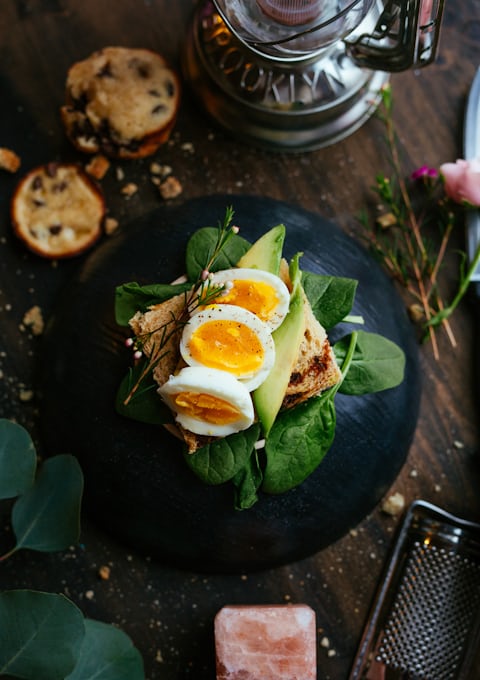
Whole grains provide sustained energy through complex carbohydrates and are a good source of B-vitamins. This bowl combines multiple food groups in a single meal — whole grains, vegetables, legumes and healthy fats — aligned with the Australian Dietary Guidelines' five food group model.
Ingredients (Serves 2)
- 1 cup pearl barley (or freekeh), cooked
- 1 can (400 g) chickpeas, drained and rinsed
- 1 large cucumber, diced
- 150 g cherry tomatoes, halved
- ½ red onion, thinly sliced
- 60 g baby rocket leaves
- 40 g crumbled feta cheese
Tahini Dressing
- 2 tablespoons tahini
- 1 tablespoon lemon juice
- 1 small clove garlic, crushed
- 2–3 tablespoons water (to thin)
- Pinch of salt
Method
- Cook barley according to packet instructions. Allow to cool to room temperature.
- Whisk tahini, lemon juice, garlic, salt and water until smooth and pourable.
- Divide barley between two bowls. Arrange chickpeas, cucumber, tomatoes, onion and rocket on top.
- Scatter feta over each bowl and drizzle generously with tahini dressing.
Approximate nutrition per serve: Energy 2,180 kJ (521 kcal) · Protein 24 g · Carbohydrates 62 g · Fat 19 g · Fibre 16 g